

MICE
The power of place: five Italian venues, five ways to set the stage
A plenary room begins shaping an event before anyone speaks. The height of the ceiling, the fall of the light, the distance between stage and audience: each element influences the way a message is received and remembered. Some spaces lend gravity to a gathering; others create intimacy, anticipation or a sense of performance. From the measured elegance of a historic hotel ballroom to the encounter between antiquity and contemporary architecture inside an archaeological museum, each of these settings plays an active role in how guests listen, respond and participate. What follows is a selection of five exceptional Italian addresses where this idea comes fully to life.
Turin: grandeur in a more intimate key
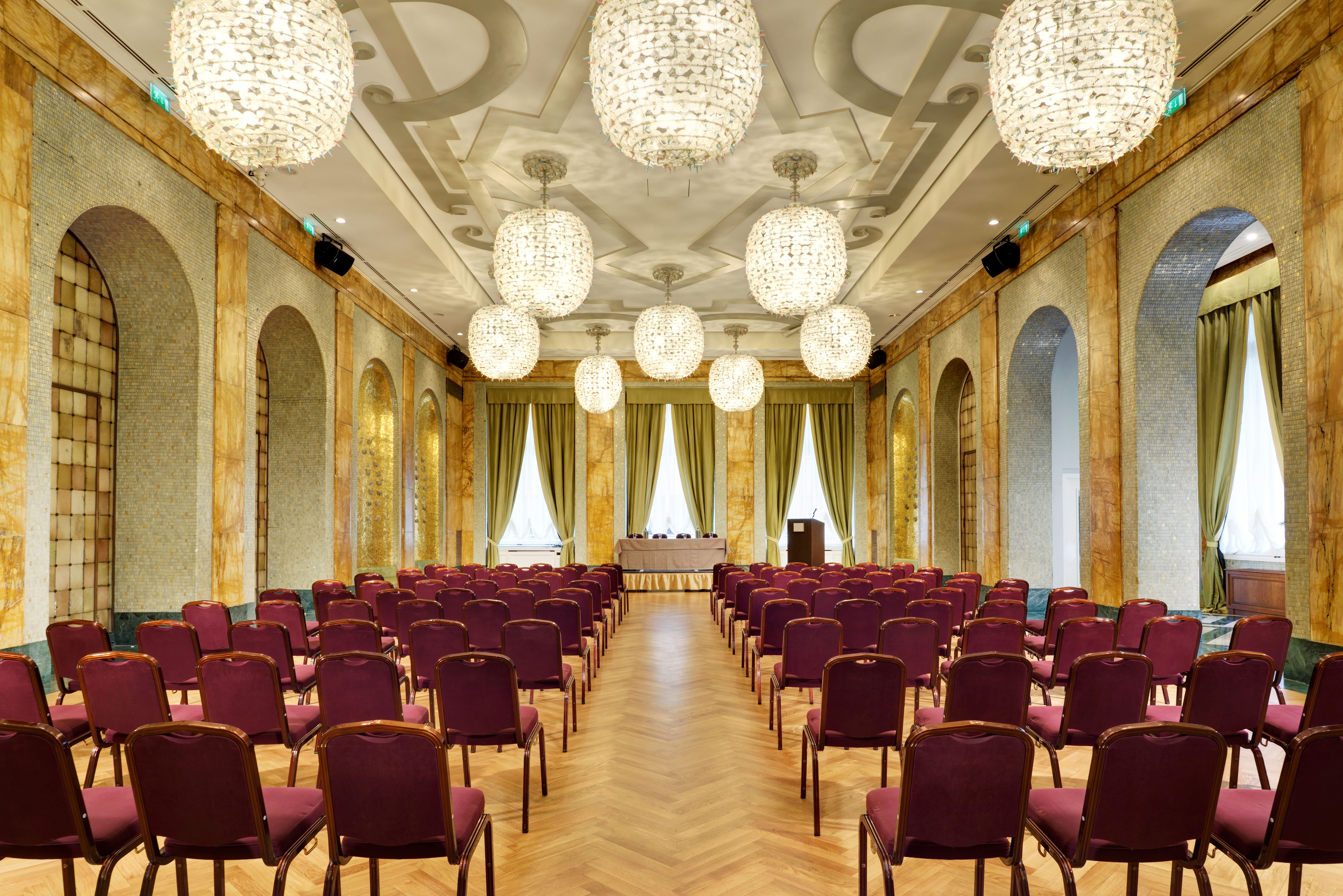
In central Turin, the Salone delle Feste at Principi di Piemonte | UNA Esperienze offers the composure of a grand hotel while preserving a close bond between speakers and guests. Decorated ceilings, Murano glass finishes and Venini mosaics define the room’s identity, while a capacity of up to 250 people makes it well suited to mid-sized conventions and company celebrations. As the most distinctive of the hotel’s seven event spaces, the ballroom anchors a meeting that moves naturally from plenary sessions to receptions and dinners. Accommodation within the same property also simplifies a multi-day event, allowing participants to meet, stay and reconnect without the rhythm being interrupted by transfers. Beyond its practical advantages, the setting strikes a careful balance: formal enough to give weight to the occasion, yet sufficiently contained to preserve ease.
Venice: before the curtain rises
At La Fenice, entering the plenary already feels like part of the spectacle. The auditorium creates anticipation through the language of performance: the tiers of boxes, the stage, the lights and the suspended moment before the curtain rises. A keynote presented here immediately acquires ceremonial weight. The Sala Teatrale can form the focal point of the programme, while the Sale Apollinee provide complementary settings for welcoming guests, smaller receptions or gala dinners. Conventions, conferences and private concerts can all be hosted within the complex, allowing the event to extend into a cultural experience. Subject to the theatre calendar, a tailored visit or musical interlude may add another layer. Venice remains present, but it is La Fenice’s own sense of timing and ceremony that shapes the atmosphere.
Florence: a contemporary rhythm for the Renaissance City
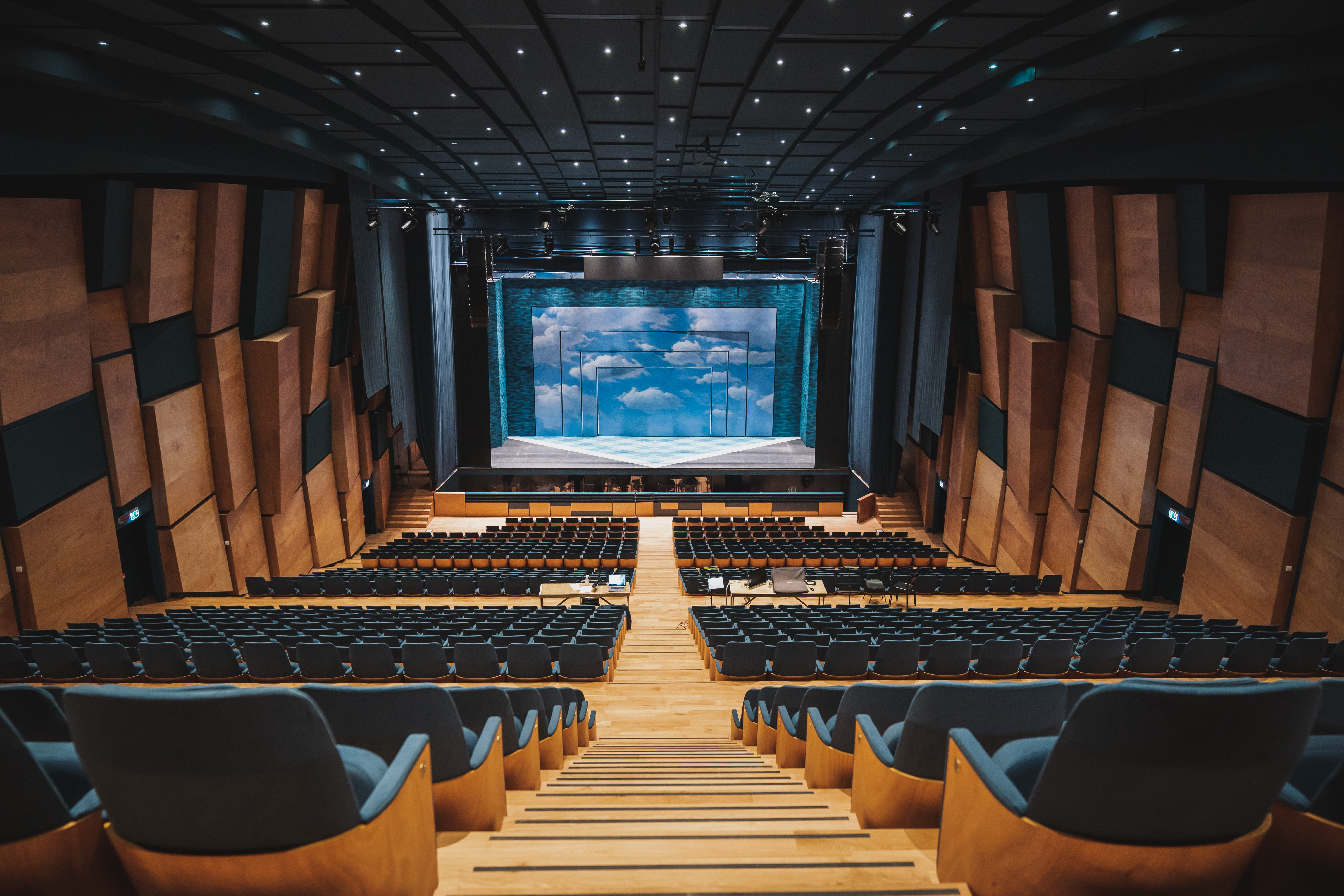
Florence is often approached through Renaissance architecture. The Teatro del Maggio Musicale Fiorentino offers an alternative perspective: contemporary, performative and designed for events on a wider scale. The Sala Zubin Mehta is particularly well suited to formats that need flexibility. Its capacity can be adjusted from approximately 500 to 1,100 seats, and the space can accommodate symphonic concerts, staged productions and conferences. Its acoustic quality supports both music and speech, while the geometric interior gives presentations a strong visual frame. For larger audiences, the Sala Grande offers more than 1,800 seats. Foyers, terraces and additional rooms extend the experience beyond the plenary, creating distinct moments for registration, networking and hospitality. A dedicated performance may also become part of the format, making Florence’s musical life an active element of the corporate narrative.
Rome: the present framed by history
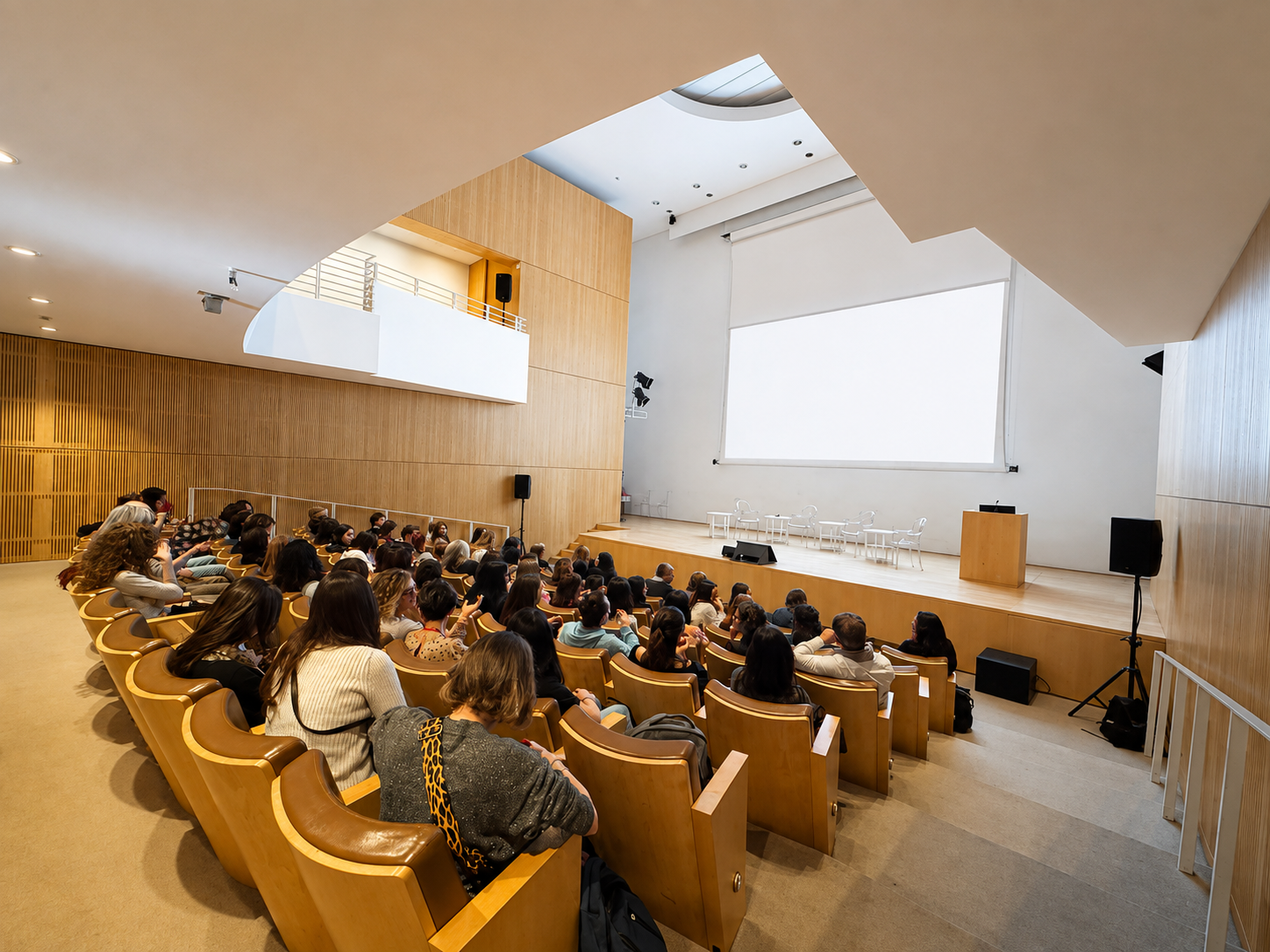
Within the walls of the Museo dell’Ara Pacis, the strength lies in the dialogue between eras. Richard Meier’s architecture surrounds an Augustan monument with light, glass and precise contemporary lines, placing heritage in conversation with the present. The Auditorium, accommodating up to 140 guests, works especially well for presentations, conferences, launches and institutional meetings requiring a more focused scale. From there, the event can continue in the foyer or on the terrace, and may include private after-hours access to the museum and an exclusive visit to the Ara Pacis. This sequence allows the gathering to move through several registers without leaving the venue: concentrated discussion, informal exchange and a direct cultural encounter. In a city filled with monumental settings, the Ara Pacis stands apart through transparency and restraint.
Palermo: where scale becomes ceremony
The journey ends in Palermo with a room where scale never comes at the expense of connection. The horseshoe-shaped Sala Grande rises through five tiers of boxes and a gallery, creating a powerful feeling of collective presence. The stage, historic curtain and ceiling lend ceremony to a congress, convention or corporate meeting from the moment guests enter. Beyond the theatre’s performance calendar, the room is used for corporate gatherings and dinners, while other historic spaces can support receptions and convivial moments. The event may therefore unfold through the building rather than remain confined to a single session. The Teatro Massimo is inseparable from Palermo. Its architecture and cultural role give the gathering a strong identity rooted in place, closing the itinerary with a venue that is not merely part of the programme, but one of its defining experiences.
The right setting for the right story
There is no ideal plenary room in absolute terms. The right choice depends on the audience, the message, the number of participants and the response the meeting is intended to create. A ballroom offers continuity and ease; an opera house can heighten anticipation; a contemporary auditorium supports flexibility; a museum can put ideas in dialogue with history. The venue belongs to a wider creative vision in which destination, hospitality, content and convivial moments need to speak to one another. When those elements are aligned, the event feels inseparable from the place that hosts it.
Related articles


italyscape@italyscape.com
+39 011 2293208
Lungo Dora Pietro Colletta, 75,
10154
Torino (TO)
10154
Torino (TO)