

Future Generations
Cultivating the future from deep roots: the Slow Food Chestnut Growers Network
Across Italy’s Apennines, Alps and foothills, chestnut groves hold the traces of a long relationship between people and place. Their trees fed families, supported local economies and shaped landscapes; around them grew skills, drying houses, mills, recipes and forms of community life. Returning these groves to active care therefore means creating the conditions for mountain territories to remain inhabited, productive and connected to the generations that will define their future. This is the perspective behind the Slow Food Chestnut Growers Network: heritage as a living resource, capable of nurturing expertise and opening new possibilities.
From connection to collective action
Born in Italy in 1986, Slow Food works towards food systems that are good, clean and fair for everyone. Its thematic networks connect people and groups around shared causes, allowing knowledge and priorities to circulate across geographical boundaries. Many local efforts become a collective voice for protecting biodiversity, encouraging education and bringing the needs of communities into public debate. The Chestnut Growers Network applies this model to a legacy found across much of Italy. Since taking its first steps in 2021, it has brought together growers, Slow Food representatives, researchers, technicians, artisans, cooks and public bodies. Different forms of expertise meet around a common question: what can the chestnut grove become today?
The culture woven into the landscape
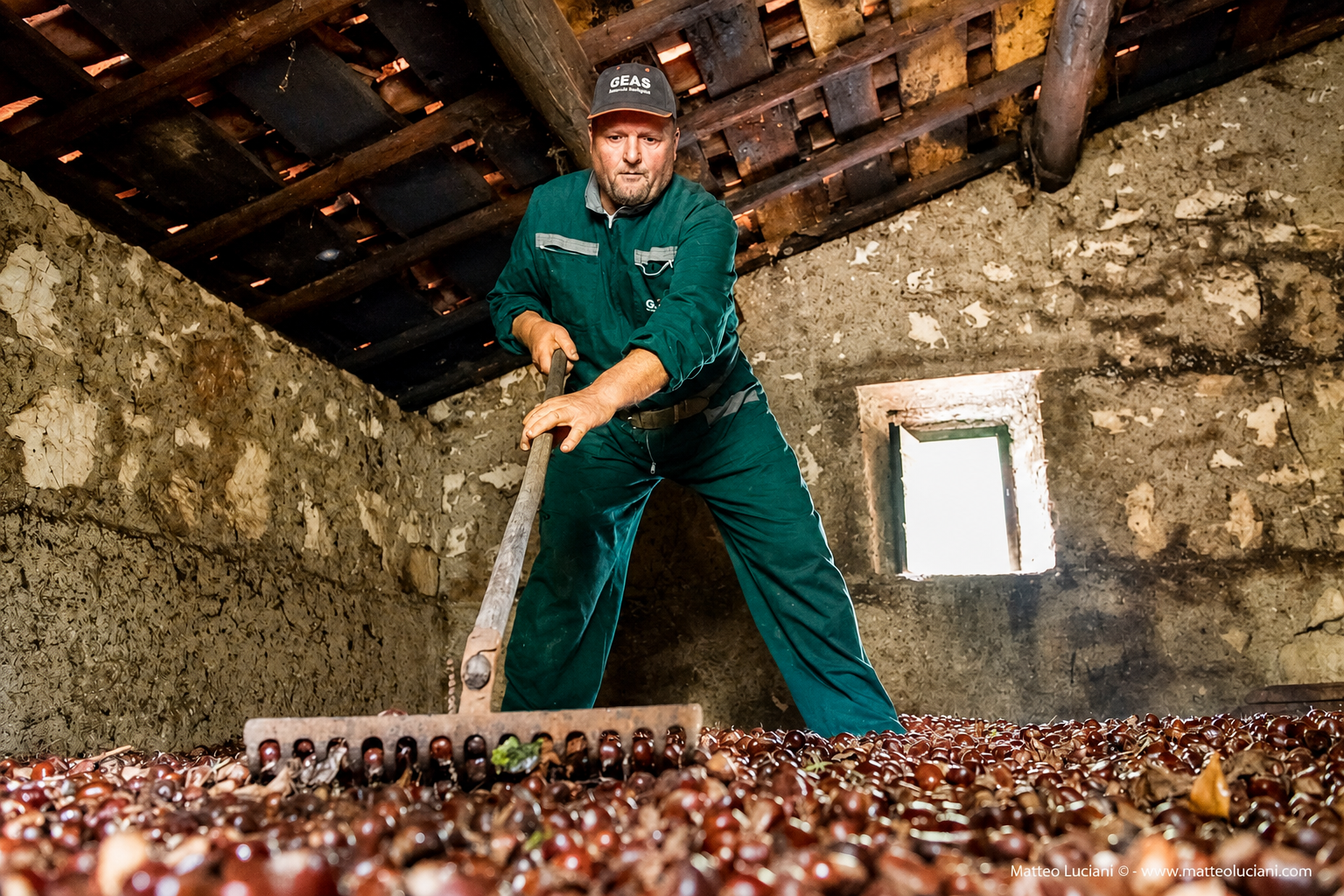
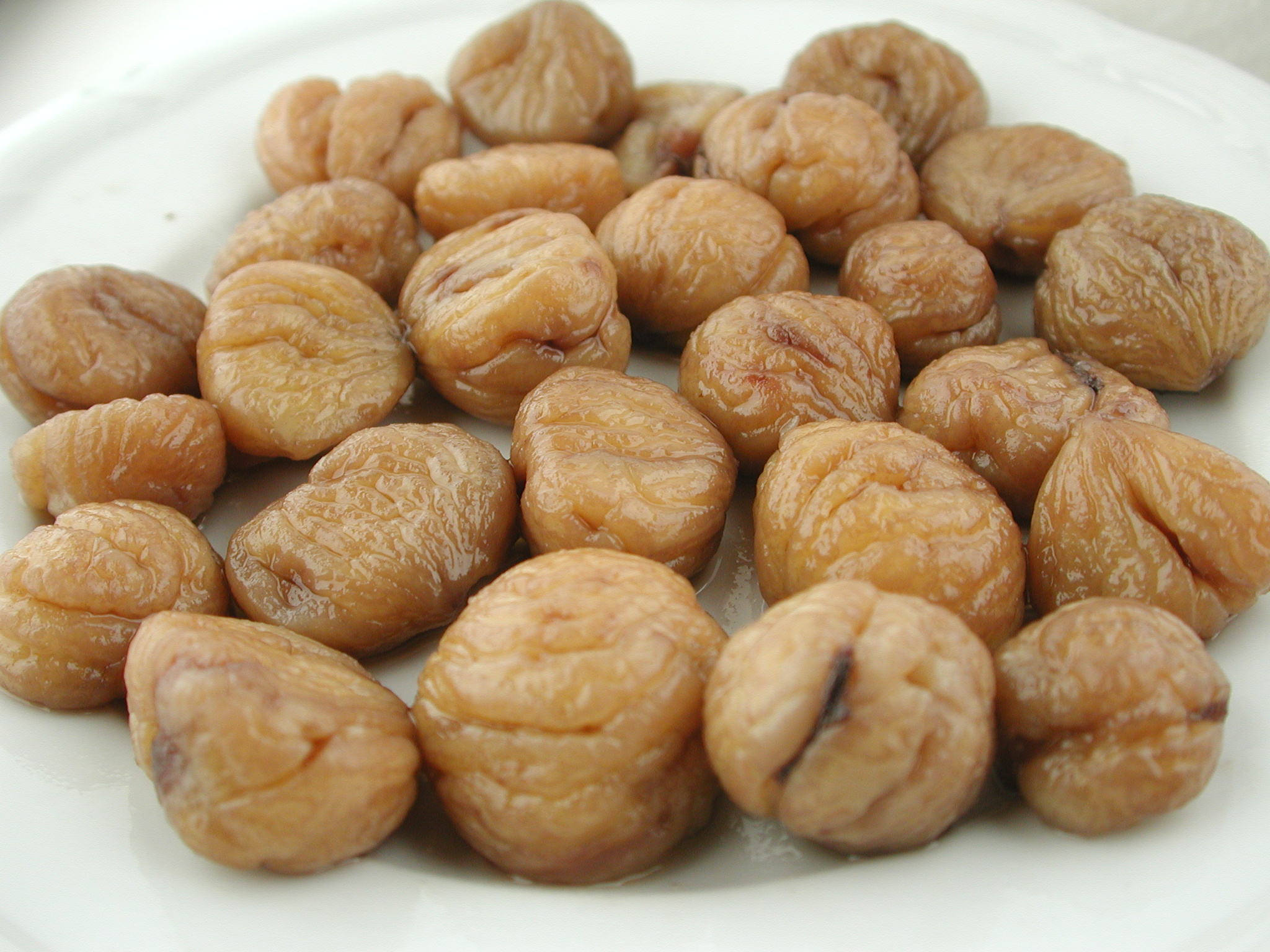
For centuries, the chestnut was central to the food and rural economies of Italy’s inland and mountain areas. Known in many places as the “bread tree”, it provided fruit that could be eaten fresh, dried or milled into flour, while its wood and leaves also formed part of everyday life. The grove was one element in a wider system. Harvesting methods, stone drying houses, mills, woodland paths and recipes formed what is often called the “civilisation of the chestnut”: a culture created through the relationship between agriculture and community. After the Second World War, depopulation and changing agricultural models led to the abandonment of many groves. Local varieties became more vulnerable, buildings fell out of use and practical skills risked disappearing with the generations that carried them. Their recovery offers an opportunity to understand which elements of that culture can answer present needs—and what expertise is required to respond to climate change, evolving markets and the social fragility of the highlands.
Fresh energy for the Terre Alte
The Network aims to return traditional chestnut growing to a strategic role in Italy’s Terre Alte, the country’s upland and inner territories. Its work follows Slow Food’s three pillars: biodiversity, education and advocacy. Protecting historic groves and ancient trees goes hand in hand with sustainable woodland management and the restoration of rural structures such as stone drying houses. The Network also promotes fairer, more transparent supply chains, new gastronomic uses for the fruit and its derivatives, and opportunities for training, research and exchange. A chestnut grove is an ecosystem, a cultural landscape and the foundation of a potential local economy. Its future depends on growers, but also on scientists, craftspeople, restaurateurs, educators, administrators and communities working together.
Building skills, opening new paths
For a young person considering whether to stay, return or build a future in the highlands, a cared-for chestnut grove can become the starting point for new ventures. It can support agriculture and food processing while creating bonds with farm-based hospitality, environmental education, tourism, craftsmanship and social enterprise. Its value extends across the surrounding territory. Managed chestnut groves can contribute to biodiversity and landscape stewardship, help regulate water and soil, capture carbon and reduce the risks associated with hydrogeological instability and forest fires. Care restores presence—and presence is a vital resource in areas affected by abandonment and depopulation.
Passing knowledge forward
The first School of the Slow Food Chestnut Growers Network, launched in 2026 in the Pistoia Mountains, makes this perspective tangible. Through lessons, workshops, field visits and encounters with growers, researchers and local institutions, the programme trains participants in sustainable grove management, fruit processing, rural tourism services and socially rooted enterprise. Expertise is passed on so that it can be questioned, expanded and applied in new ways. Continuity also means giving the next generation the confidence and tools to take responsibility for the landscape and imagine a place for themselves within it.

Looking towards Terra Madre 2026
From 24 to 27 September 2026, the centre of Turin will host the 16th edition of Terra Madre Salone del Gusto. Organised by Slow Food, the City of Turin and the Piedmont Region, the event celebrates 40 years of Slow Food Italia with biodiversity at its heart—in its natural, agricultural, gastronomic, cultural and social forms. The Chestnut Growers Network will be among the thematic networks represented, alongside delegates from the Terre Alte, creating an important opportunity to share its work and open a new chapter in a project that continues to evolve. Protecting a heritage is ultimately about what we make possible for those who come after us. By returning care, knowledge and imagination to the chestnut groves, the Network is helping mountain communities cultivate both their roots and the conditions for their future.
Related articles


italyscape@italyscape.com
+39 011 2293208
Lungo Dora Pietro Colletta, 75,
10154
Torino (TO)
10154
Torino (TO)