

Future Generations
Reframing the journey: historic halls and the future of rail travel
Railway stations have always been places of transition. But in Italy, some of them hold interiors that were never meant to be ordinary.
Behind the flow of daily journeys, a network of historic halls—once reserved for royalty, dignitaries and official occasions—is being gradually brought back to life. Today, these spaces are reopening with a new purpose: hosting gatherings, events and curated moments that add depth to the experience.
More than a restoration project, this is a shift in perspective. It’s about recognising the cultural value of these places and integrating them into a conscious way of travelling—one that looks ahead without losing sight of what came before.
Architectures of connection
Across the peninsula, these halls reflect different architectural styles and eras, yet share a common thread: they were all conceived as part of a system built around connection.
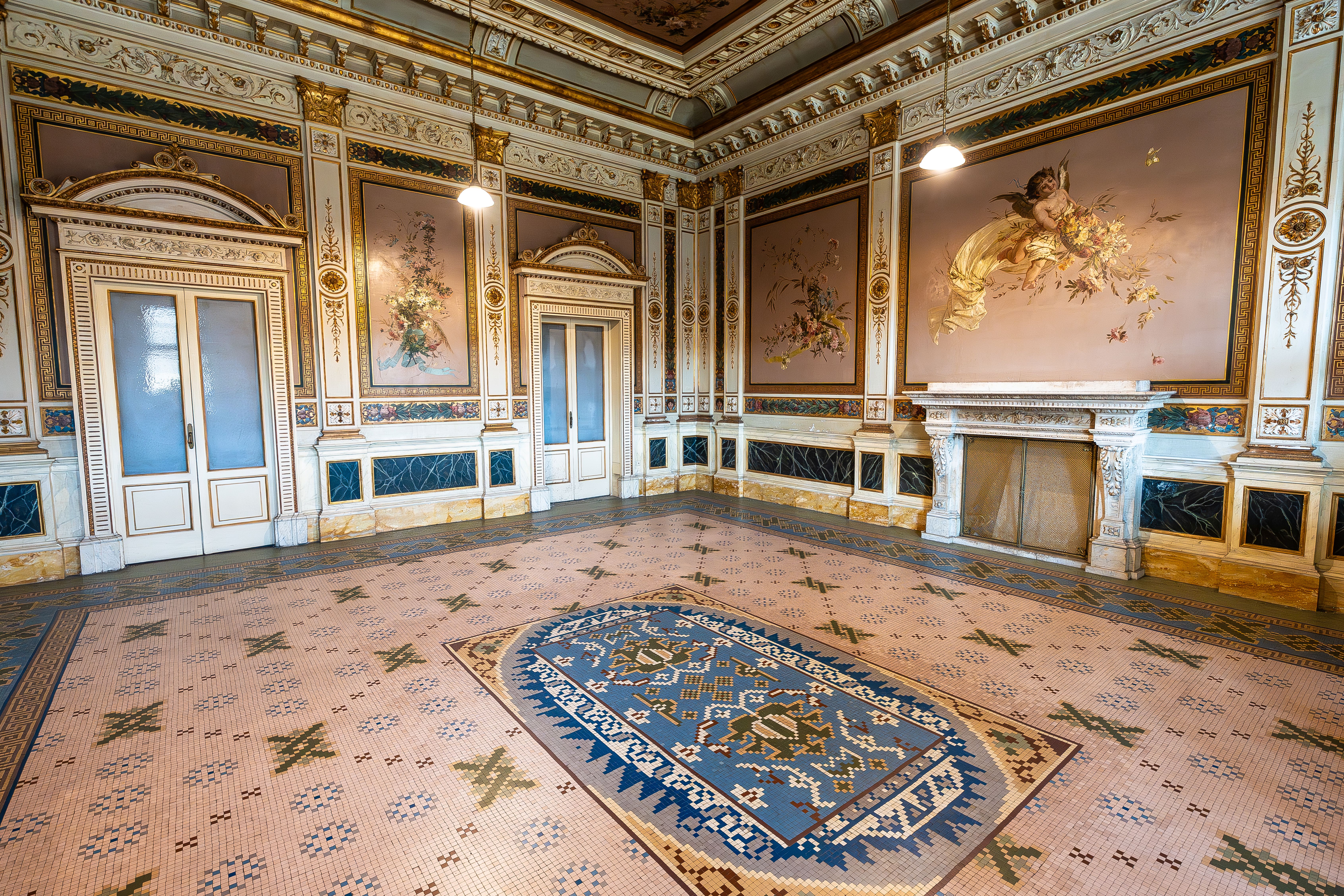
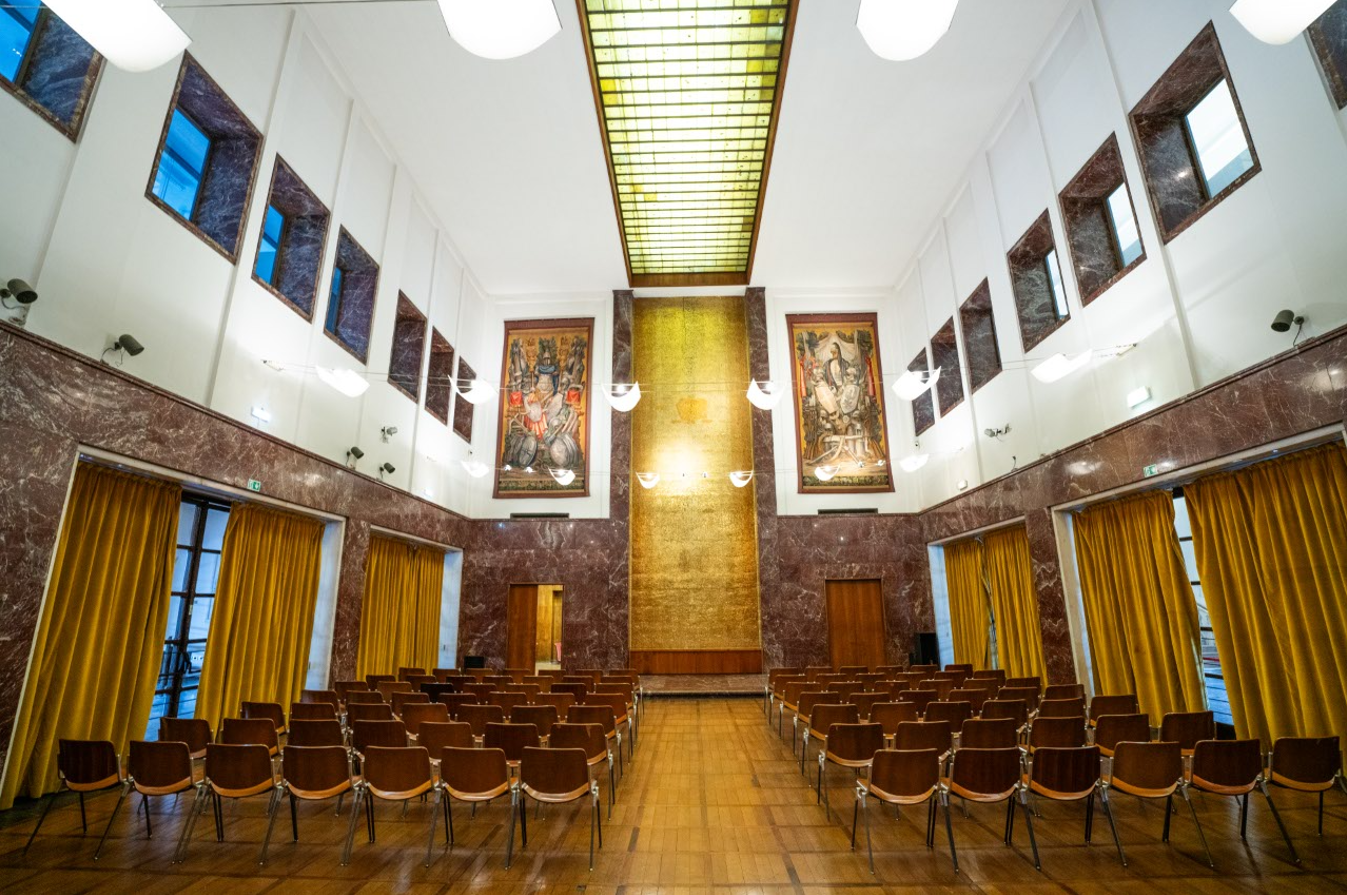
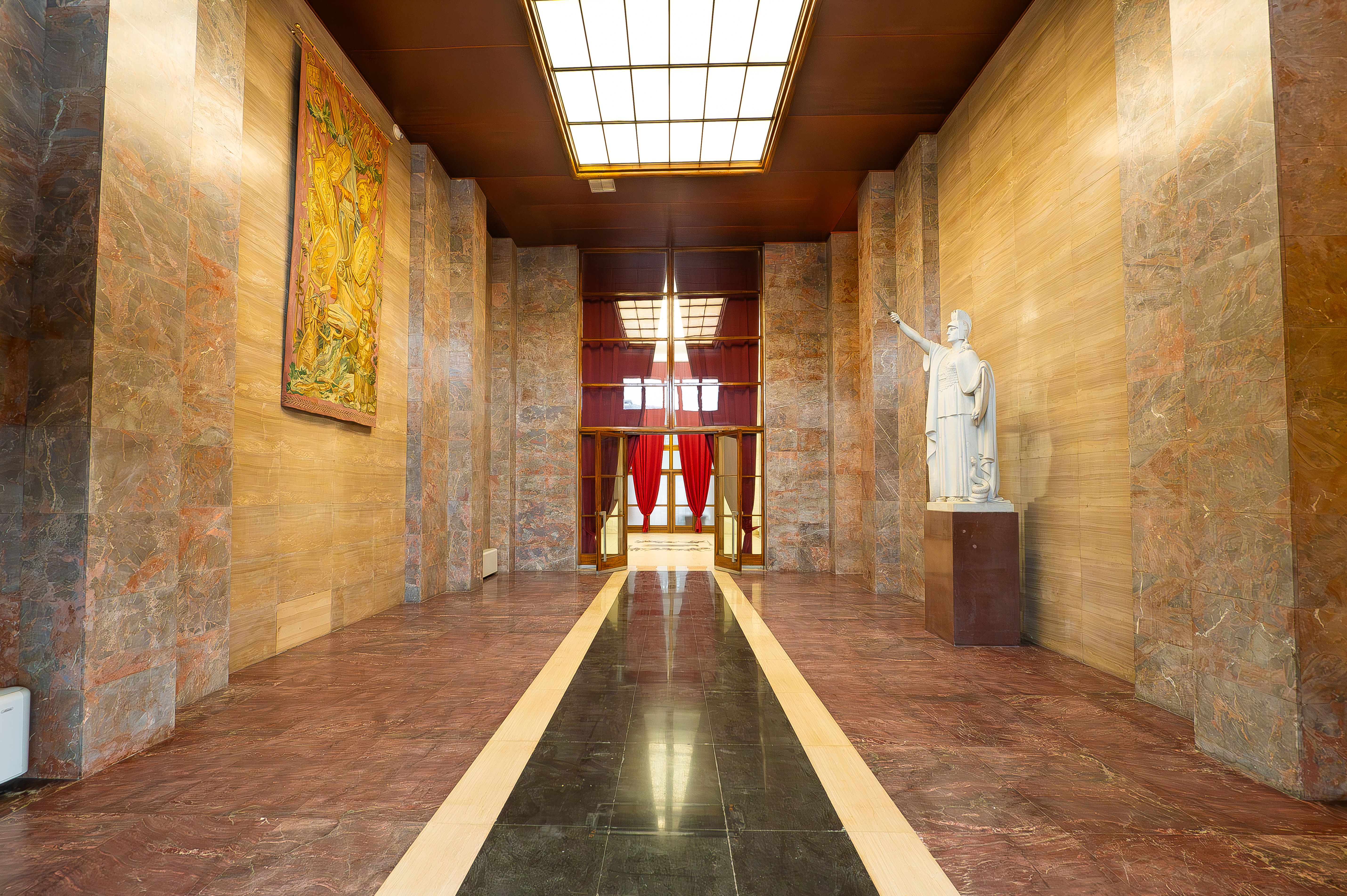
At Torino Porta Nuova, the restored rooms reveal a discreet, almost ceremonial elegance. Stucco details, refined proportions and soft light recall the city’s Savoyard heritage, offering a subtly intimate atmosphere. In Roma Termini, the design embraces a more rationalist language—clean lines, generous volumes, a sense of openness shaped by decades of movement.
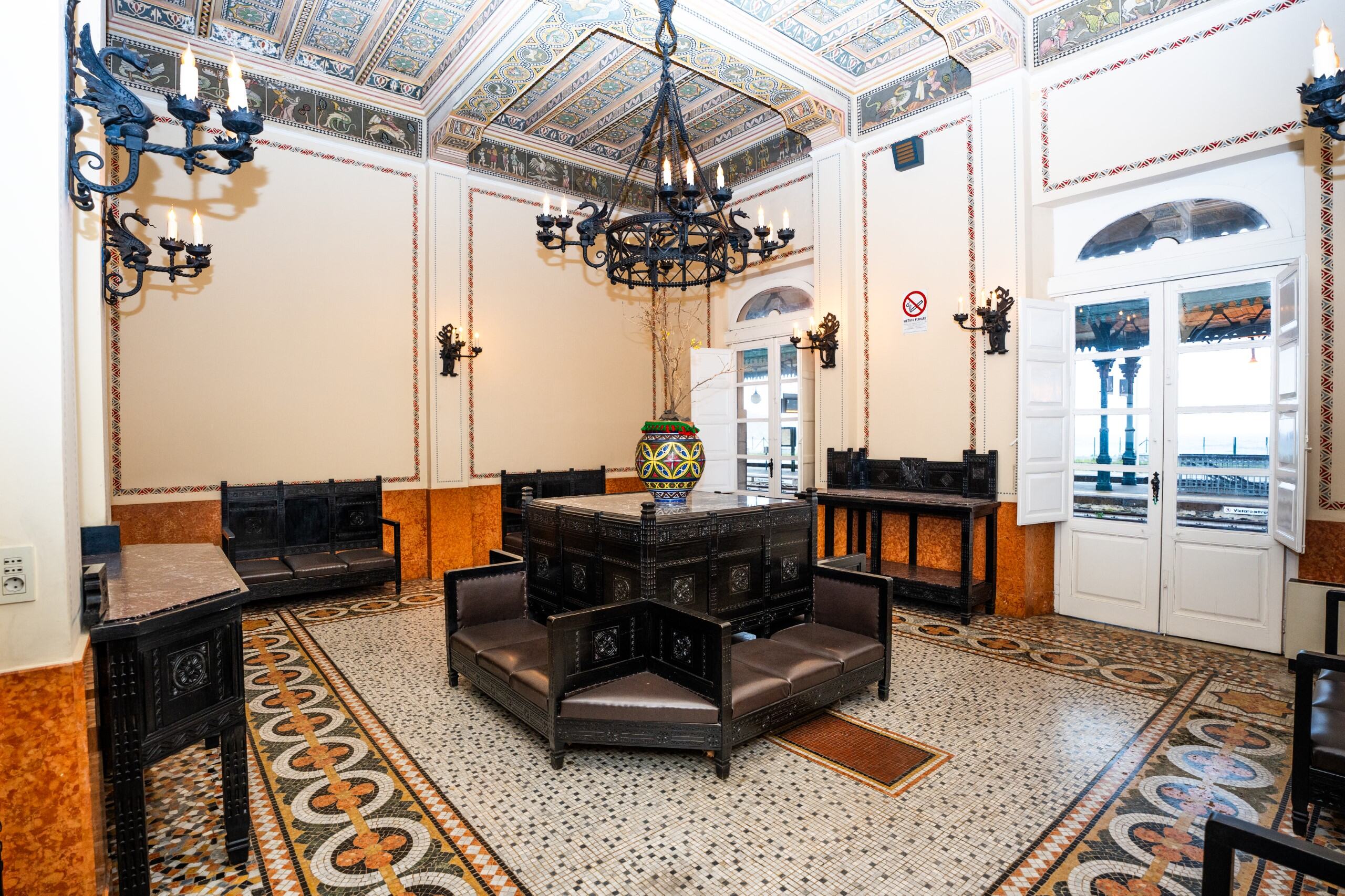
Further south, Taormina-Giardini offers a markedly different mood. Overlooking the sea, its historic halls are infused with Mediterranean light, where decorative elements and vintage details create a backdrop that feels suspended between movement and landscape.
Reactivating heritage for tomorrow
As one of the most sustainable ways to travel, trains are increasingly central to a more responsible approach—reducing environmental impact while enhancing the quality of the journey itself. Seen through this lens, Fondazione FS Italiane plays a key role. Established to safeguard and promote Italy’s railway legacy, the Foundation is in charge for the restoration, conservation and enhancement of heritage stations, trains and infrastructures across the country. Its work goes beyond preservation in the traditional sense: it actively reactivates these spaces, making them accessible again and giving them a renewed function within the broader context of contemporary mobility.
From waiting to gathering
What makes these historic halls so compelling is not only their aesthetic richness—frescoes, marble floors, generous volumes—but their ability to reshape how groups experience a destination.
A welcome cocktail in a former royal waiting room in Turin. A curated pause between connections in the heart of Rome. An exclusive gathering overlooking the sea, just steps from the tracks in Taormina.
Moments that become thresholds between past and present, where every detail contributes to a distinct sense of occasion. For groups, they offer something increasingly sought after: the opportunity to create shared moments that feel both significant and unexpected.
Integrating these spaces into an itinerary opens up new creative possibilities—enhancing transitions between destinations and introducing character-rich settings without stepping outside the natural flow of the journey.
Traveling with intention
Choosing the train today is also a cultural choice. It means slowing down where it matters, connecting cities more fluidly, and rediscovering the value of pausing along the way. It also reflects a more considered way of exploring—one that aligns with the expectations of future generations, where sustainability, authenticity and richness are essential.
Within this perspective, heritage station halls find a natural place. They invite us to rethink infrastructure not only as a point of transit, but as an integral part of the travel experience—venues capable of hosting moments that extend beyond the journey itself.
Perhaps this is exactly what future generations will expect: not simply to move through the world, but to engage with it more fully—one meaningful stop at a time.
Related articles


italyscape@italyscape.com
+39 011 2293208
Lungo Dora Pietro Colletta, 75,
10154
Torino (TO)
10154
Torino (TO)