

Sips and Nibbles
Carnival at the table: An edible map of Italy’s cultural landscapes
The language of celebration, told through food
In Italy, Carnival is the first great celebration of the year — a season that comes just before Lent and traditionally marks a time of abundance before restraint returns. Across the country, Carnival takes many different forms, yet food remains its shared language.
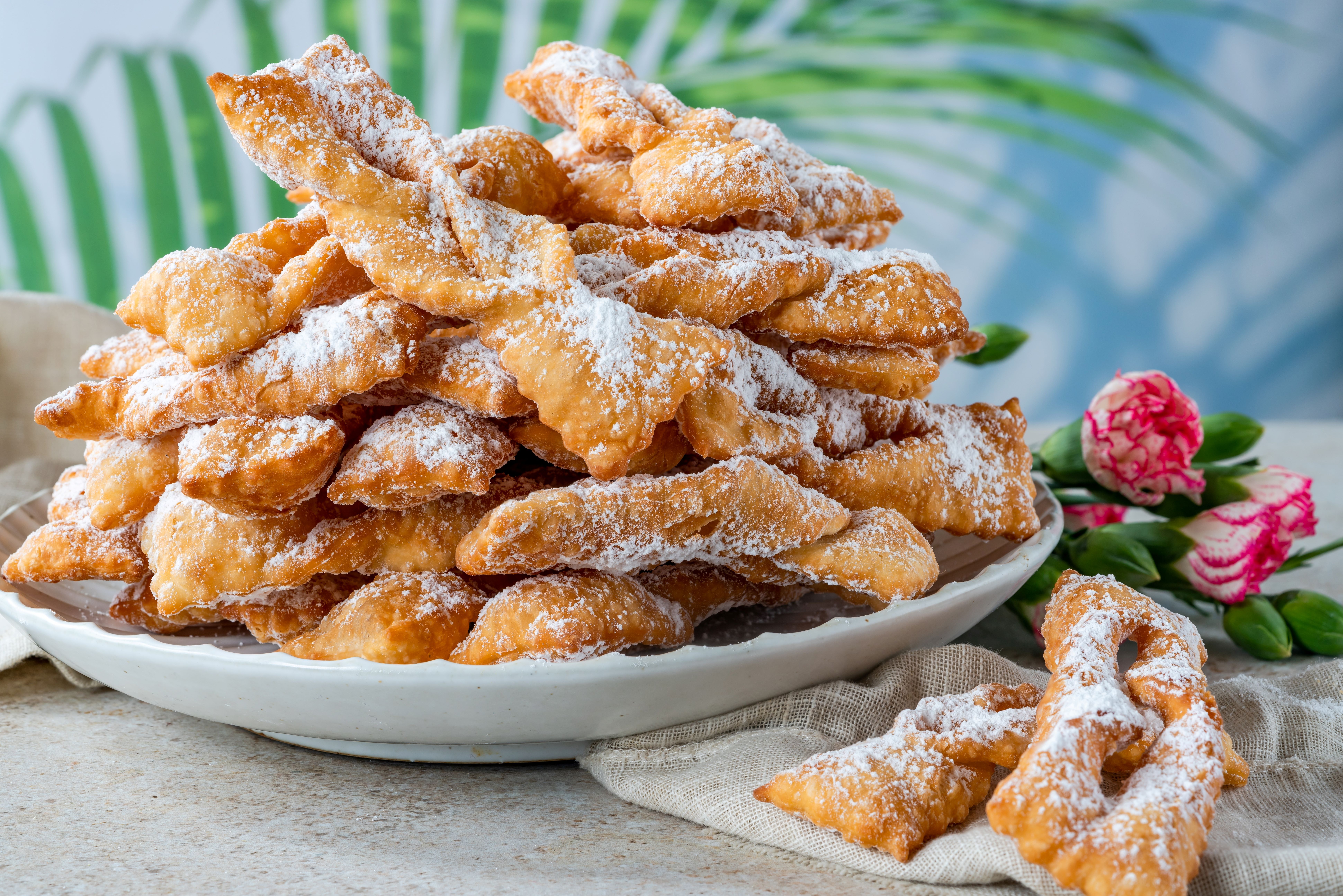
As frying fills Italian kitchens with its unmistakable scent, the festive season quietly announces itself. Fried sweets are the undisputed protagonists: chiacchiere are thin, crisp sheets of fried dough dusted with sugar; castagnole are soft, bite-sized fritters, often scented or filled; while frittelle, in countless regional variations, complete this repertoire of Carnival-only treats. Alongside these classics, more deeply rooted local recipes appear: migliaccio, a rustic cornmeal cake; sanguinaccio, a rich chocolate cream once made with pork blood; and Sicily’s mpagnuccata, a mound of fried dough pieces bound together with honey and sugar pearls.
In contexts such as the Carnival of Ivrea — where the famous Battle of the Oranges symbolically evokes abundance and subversion — food becomes part of the celebration, transformed from nourishment into a playful weapon. In Mamoiada, traditional sweets accompany a Carnival of ancient origin, inextricably linked to agricultural rhythms and the cyclical passage of the seasons.
A ritual heritage poured into the glass
The bond between Carnival and wine reaches back to ancient pagan rituals — from Greek Dionysian festivities to Roman Saturnalia — celebrations in which wine, a symbol of joy, fertility and suspended rules, played a central role. This cultural legacy still resonates in today’s Italian Carnival, experienced as a time of lightness and conviviality.
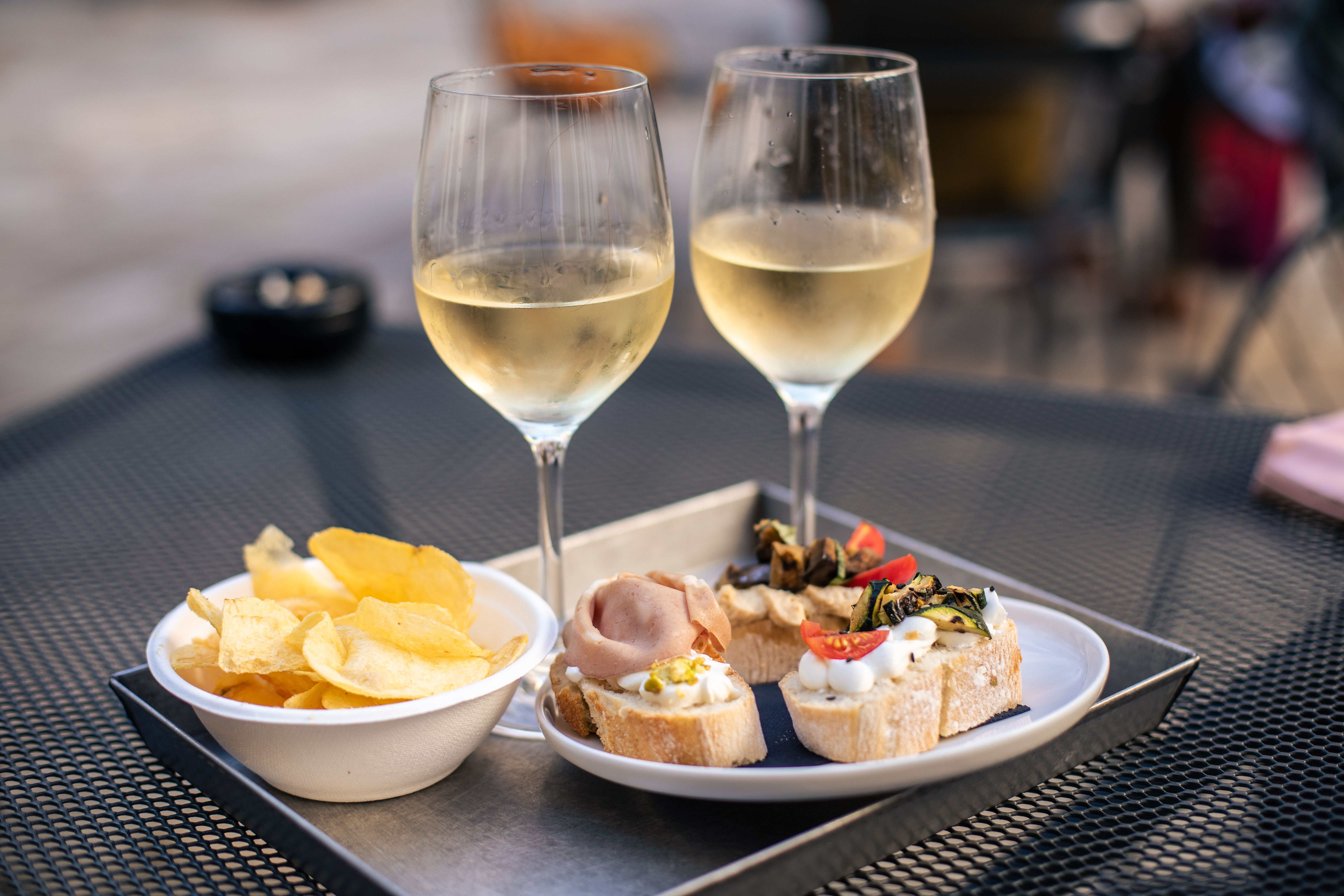
Sparkling and lightly fizzy wines, often with a gentle sweetness, naturally accompany the fried desserts of the season, while passito wines and late-harvest vintages pair with traditional cakes. During the Carnival of Venice, this convivial spirit takes shape in the ritual of the ombra de vin: small glasses of wine enjoyed standing up, moving from one bacaro (traditional wine bar) to another, often alongside cicchetti, small savoury bites. Wine becomes a social gesture — an invitation to conversation, encounter and shared experience within the urban fabric of Carnival.
Carnival liqueurs: closing the feast, the traditional way

During Carnival, traditional Italian liqueurs accompany the final moments of conviviality, reflecting a strong connection to place and to the winter season. Citrus fruits, herbs and spices take centre stage in preparations found throughout the peninsula. In northern mountain areas, such as Lombardy, herbal bitters made from alpine and medicinal plants are traditionally shared at the end of a meal. In the South, Carnival coincides with the height of citrus season: in Sicily and Campania, orange- and lemon-based liqueurs prevail. During the Carnival of Acireale, citrus liqueurs become part of everyday celebration, served after meals or enjoyed during public festivities. More than a tasteful drink, the liqueur becomes a gentle excuse to linger at the table, prolonging moments of quiet enjoyment.
Related articles


italyscape@italyscape.com
+39 011 2293208
Lungo Dora Pietro Colletta, 75,
10154
Torino (TO)
10154
Torino (TO)